info@genesissafetyindia.com +91 93426 70267 / 044-31328393
Chennai, India

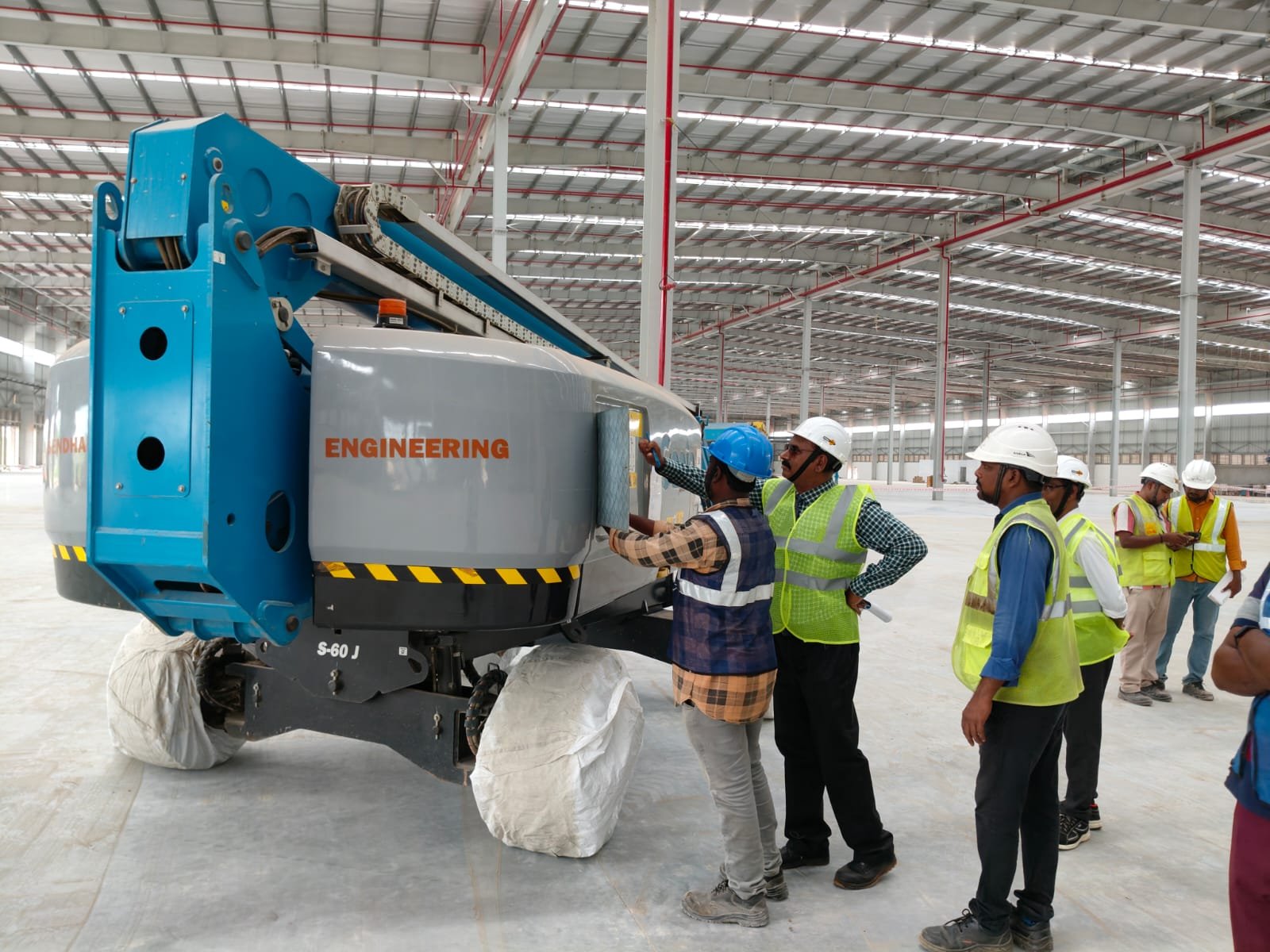
Fire Safety Audit

Fire Safety Audit – Lotus Shoes
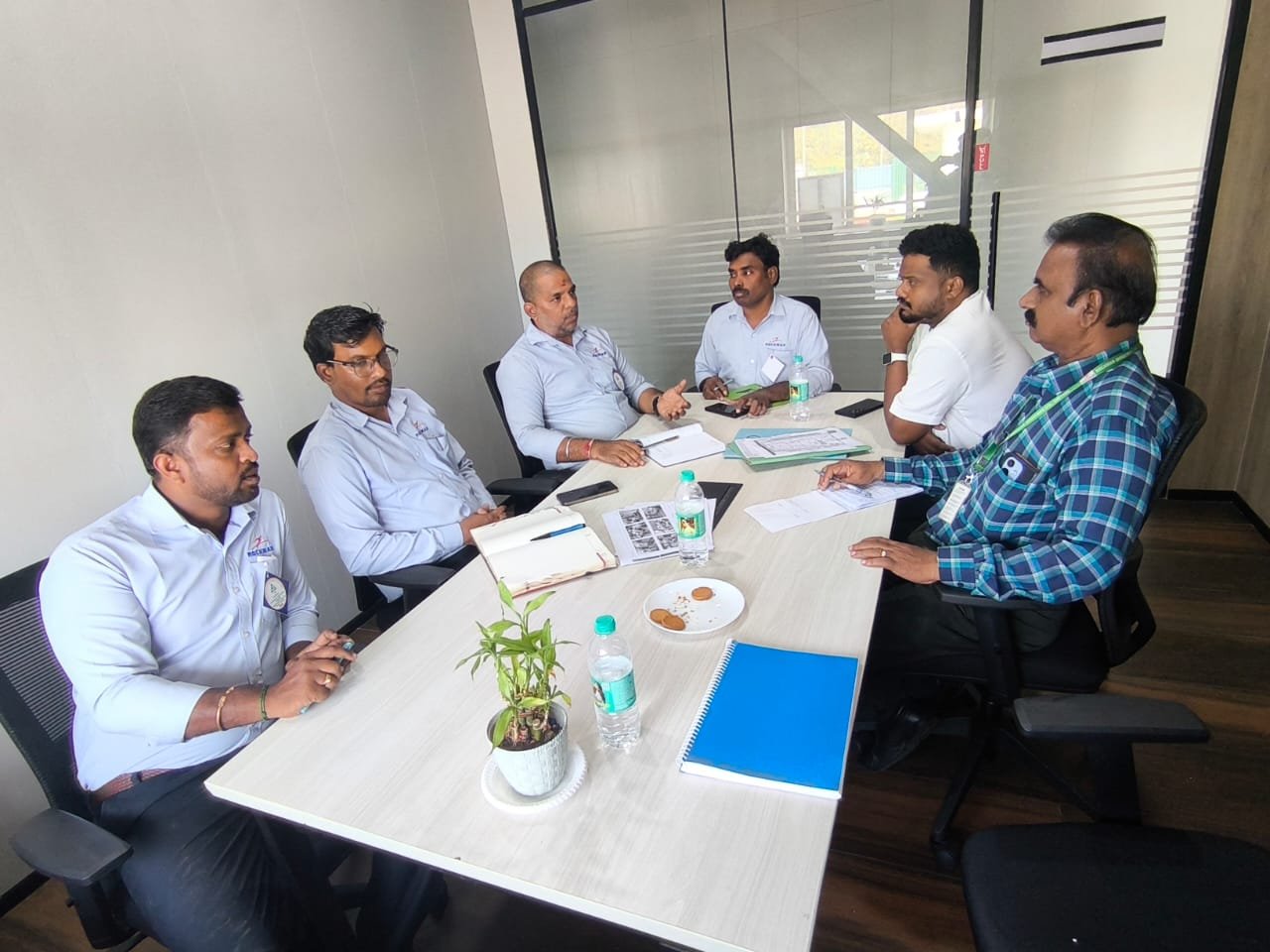
Fire Safety Audit – Rockman Industries, Cheyyar

A fire safety audit is a systematic inspection and evaluation of a building, facility, or workplace to determine whether it complies with fire safety regulations and whether adequate measures are in place to prevent fires and protect occupants.

Its purpose is to identify fire hazards, assess risks, verify compliance with applicable fire codes, and recommend improvements to reduce the likelihood and impact of a fire.
What a Fire Safety Audit Typically Includes

  • Fire prevention — identification of combustible materials and ignition sources, evaluation of housekeeping practices, safe storage of flammable liquids and gases
  • Fire protection systems — fire extinguishers, fire alarm and detection systems, automatic sprinkler systems, fire hydrants and hose reels, emergency lighting
  • Means of escape — emergency exits and escape routes, exit signage, staircases and corridors free from obstructions, accessibility of exits
  • Electrical safety — condition of electrical installations, overloaded circuits or damaged wiring, proper maintenance of electrical equipment
  • Emergency preparedness — fire emergency response plan, evacuation procedures, fire drills, employee training and awareness
  • Compliance review — adherence to local fire safety laws, building codes and standards; inspection of maintenance records and certifications

Typical Fire Safety Audit Process

  • Review building plans and fire safety documents
  • Inspect the premises and fire protection systems
  • Identify fire hazards and assess the level of risk
  • Evaluate compliance with relevant regulations
  • Prepare an audit report highlighting deficiencies
  • Recommend corrective actions and prioritize them based on risk

Benefits of a Fire Safety Audit

  • Reduces the risk of fire incidents
  • Protects lives and property
  • Ensures compliance with legal and regulatory requirements
  • Improves emergency preparedness and response
  • May help reduce insurance costs and business interruptions

Site Safety Audit

Site Safety Audit – Samco Metals & Foundry
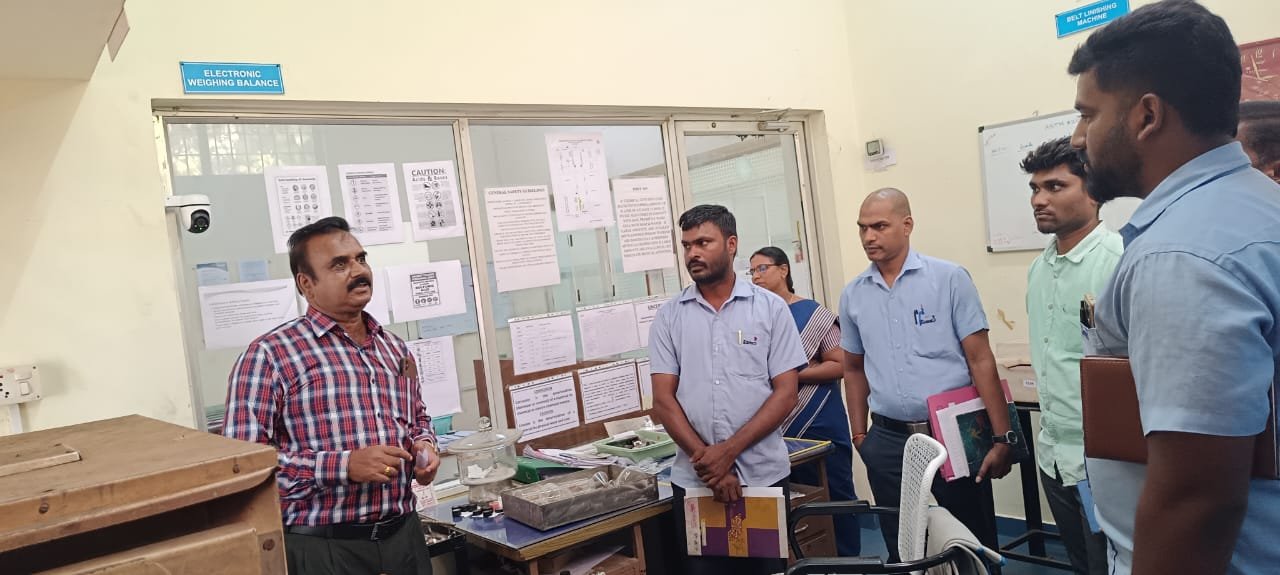
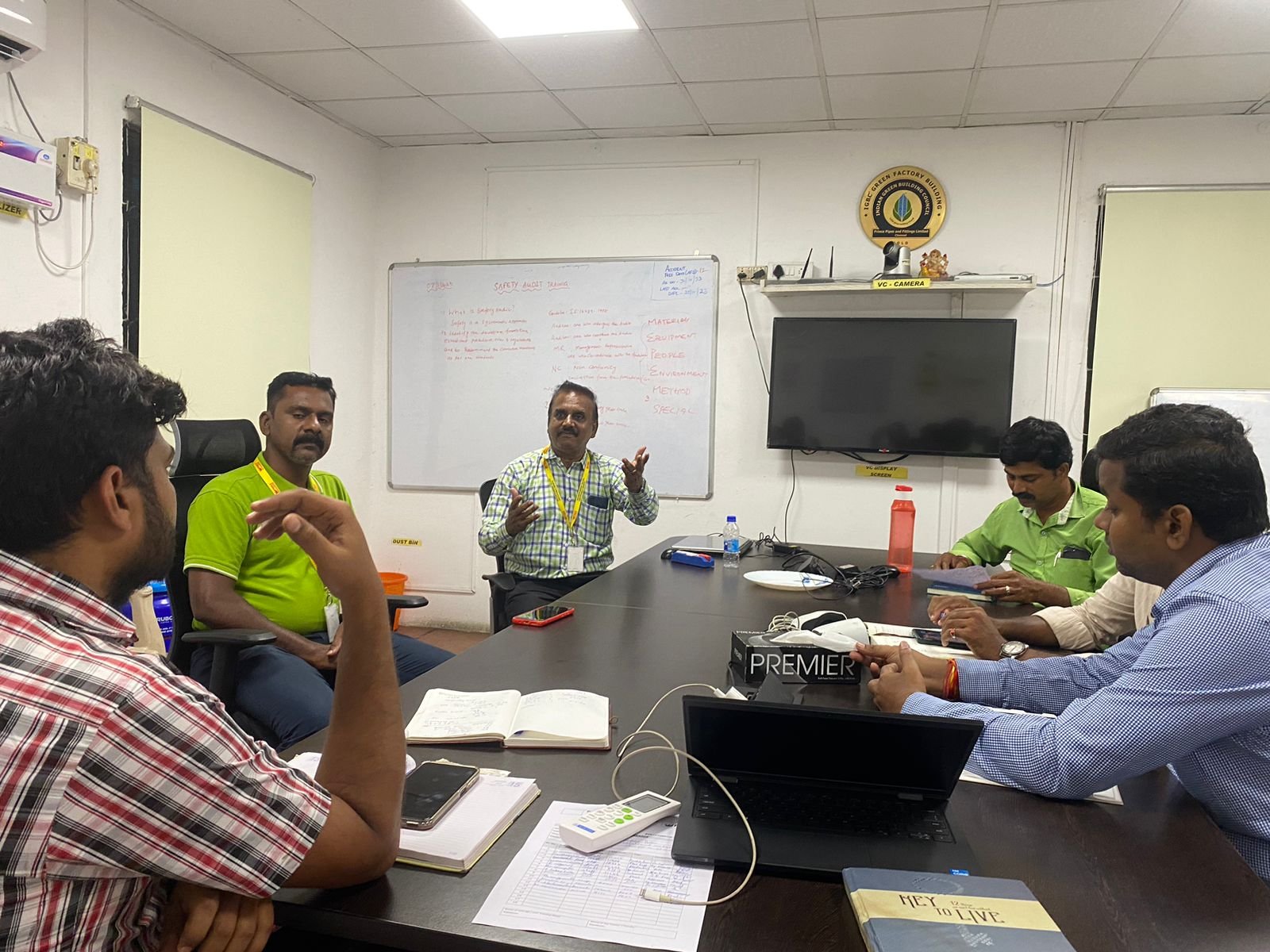
Site Safety Audit – Prince Pipe, Chennai

A Safety Audit is a systematic, structured and documented examination of a workplace, equipment, processes and safety management systems to identify hazards, assess compliance with applicable safety requirements, and recommend corrective actions to prevent accidents and occupational injuries.

Main Objectives of a Safety Audit

  • Identify hazards — find unsafe conditions and unsafe practices
  • Assess risks — evaluate the likelihood and severity of accidents
  • Check legal compliance — verify compliance with applicable safety laws, rules and regulations
  • Check safety procedures — examine SOPs, work permits, LOTO, emergency procedures, etc.
  • Inspect safety equipment — machine guarding, PPE, fire protection, emergency equipment, etc.
  • Identify non-conformities — find gaps between actual practices and required standards
  • Recommend corrective actions — suggest measures to eliminate or control identified hazards
  • Prevent accidents — reduce the possibility of injuries, fires, explosions and property damage
  • Improve safety culture — encourage employees and management to continuously improve workplace safety
  • Verify effectiveness — follow up to ensure corrective actions have been properly implemented

Examples of Items Checked

  • Machine guarding
  • Electrical safety
  • Fire safety and emergency preparedness
  • Chemical storage and handling
  • PPE compliance
  • Work at height
  • Confined-space entry
  • Lifting equipment
  • LOTO (Lockout/Tagout)
  • Housekeeping
  • Occupational health and hygiene
  • Safety training and competency
  • Accident/incident records
  • Emergency response arrangements

OSH Audit

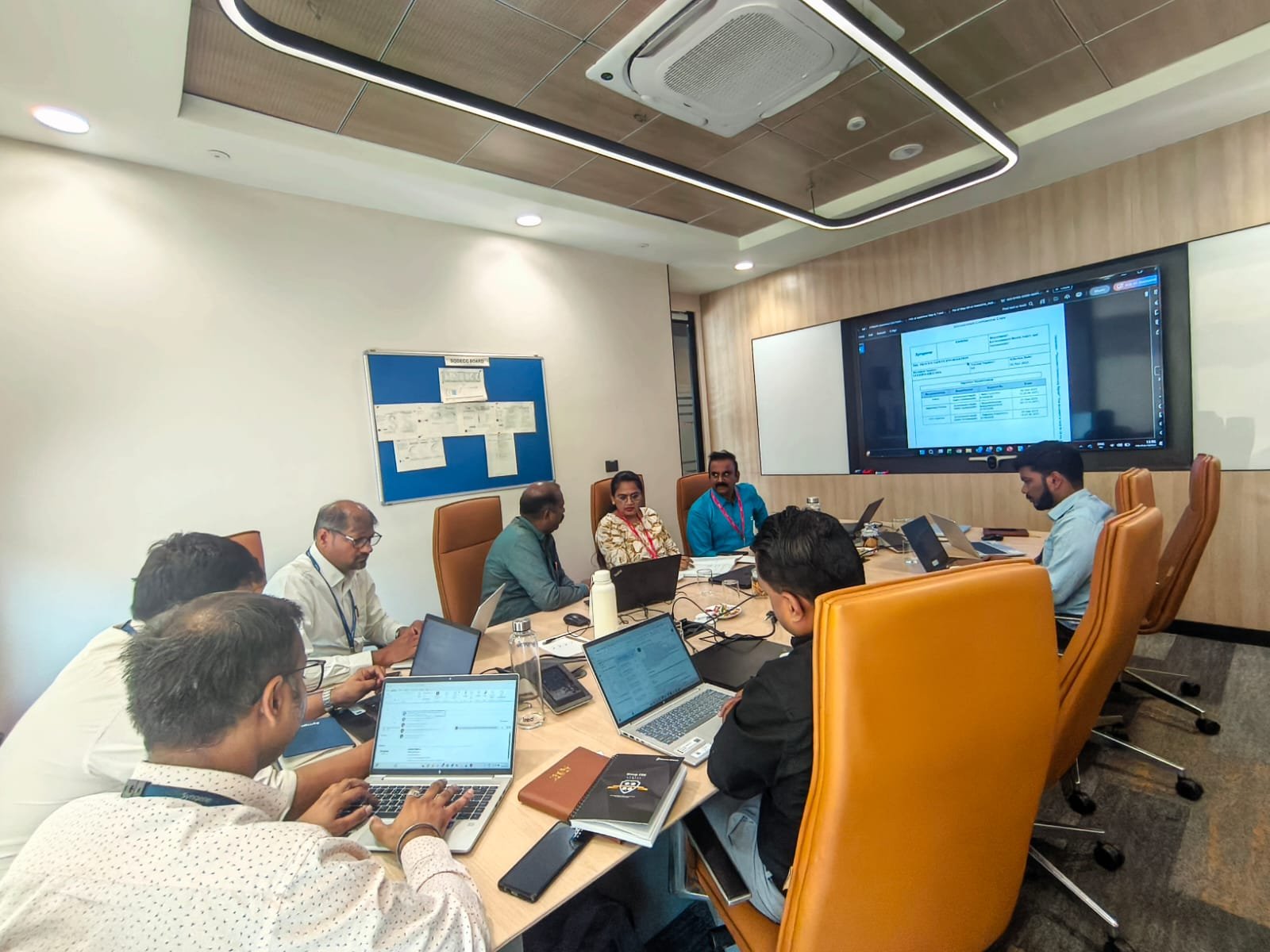
OSH Audit – Syngene, Bengaluru
OSH Audit – Biocon, Bengaluru

OSH Audit means Occupational Safety and Health Audit. It is a systematic and independent examination of a workplace to determine whether the organization is effectively managing occupational safety and health hazards, complying with applicable legal requirements, and protecting workers from injury and ill health.

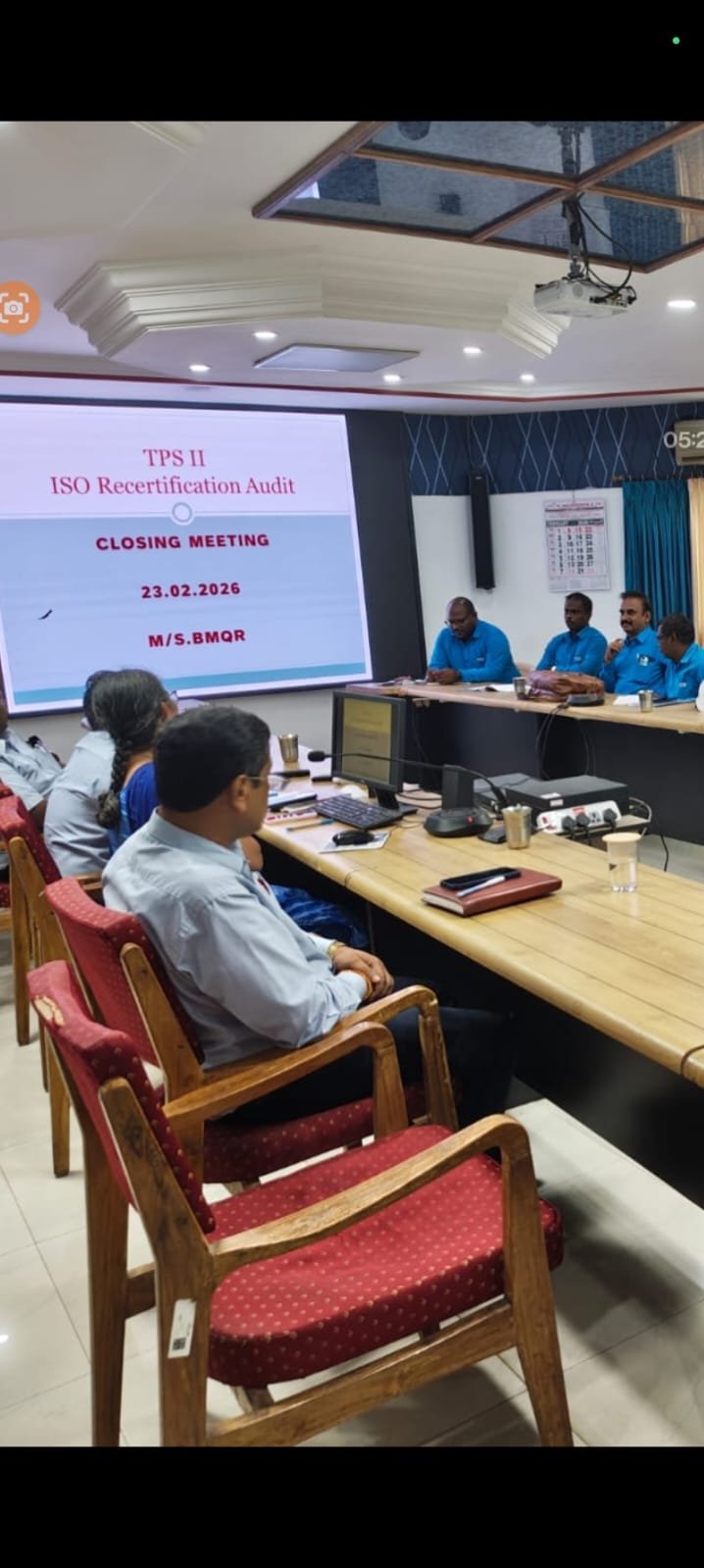
Main Objectives of an OSH Audit

  • Identify hazards — find unsafe conditions and unsafe practices
  • Assess risks — evaluate the likelihood and severity of workplace hazards
  • Check legal compliance — verify compliance with applicable OSH laws and regulations
  • Evaluate safety systems — check whether safety policies, procedures and controls are effective
  • Prevent accidents — identify deficiencies before they result in incidents
  • Check PPE — verify proper selection, availability and use of PPE
  • Check emergency preparedness — examine fire protection, emergency plans, first aid and evacuation arrangements
  • Improve safety performance — recommend corrective and preventive actions

Areas Generally Covered

  • Machine guarding
  • Fire and life safety
  • Electrical safety
  • Chemical safety
  • Personal protective equipment (PPE)
  • Work at height
  • Confined spaces
  • Lifting equipment
  • Material handling
  • Lockout/Tagout (LOTO)
  • Occupational health and hygiene
  • Emergency preparedness
  • First aid
  • Training and competency
  • Incident/accident investigation
  • Contractor safety
  • Legal and regulatory compliance

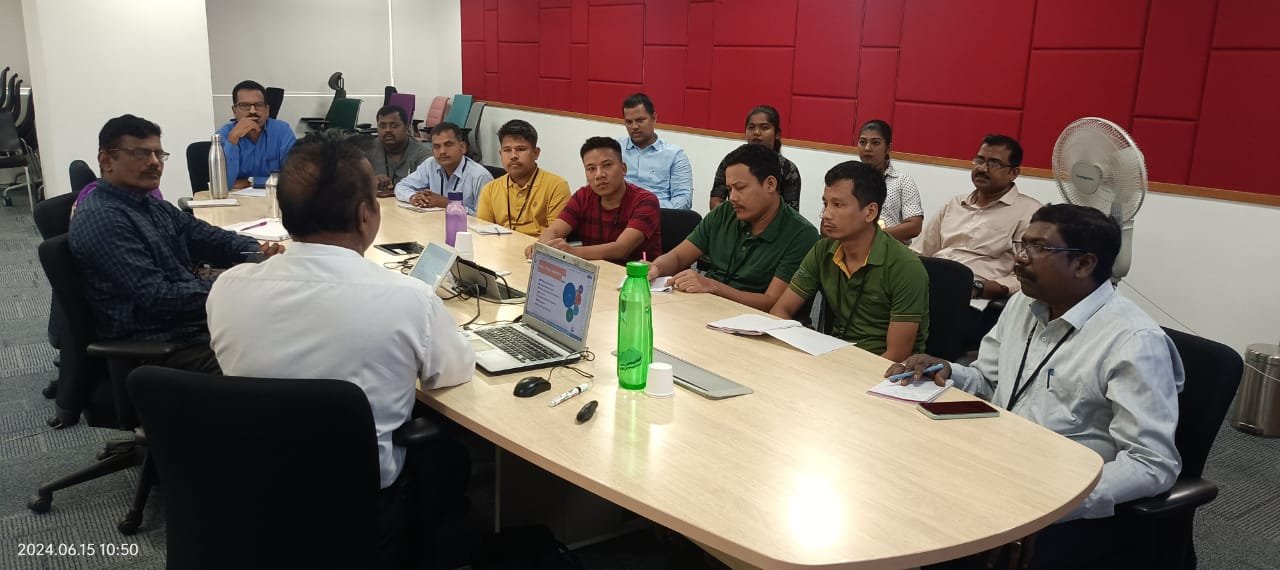
ISO 45001:2018 Audit

ISO 45001:2018 Audit – Ascendas, Oragadam
ISO 45001:2018 Audit – NLC, Neyveli
ISO 45001:2018 Audit – Ascendas, Periyapalayam

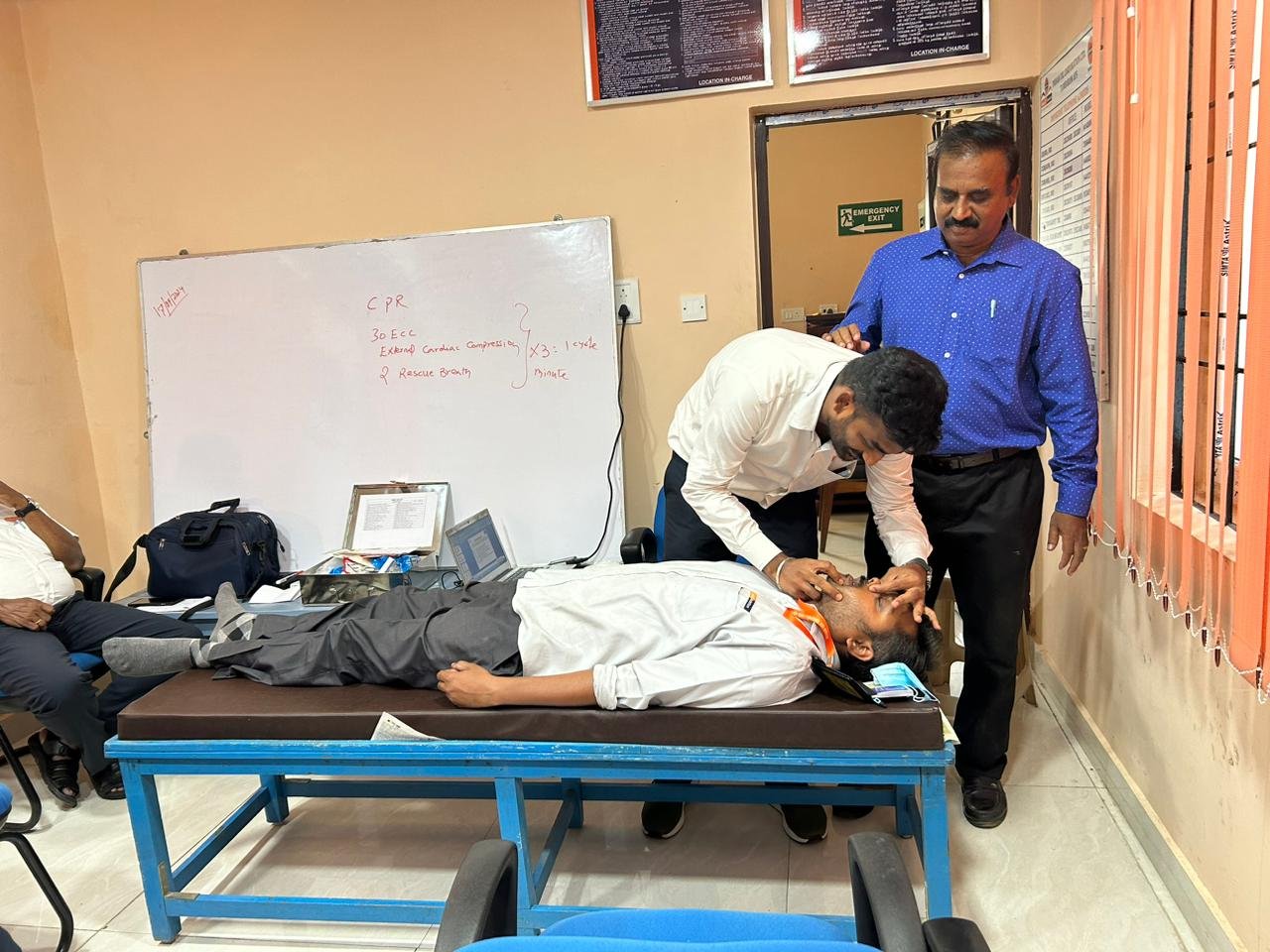
An ISO 45001:2018 audit is a systematic, independent and documented examination of an organization's Occupational Health & Safety (OH&S) Management System to determine whether it meets the requirements of ISO 45001:2018, is effectively implemented and maintained, controls workplace hazards and OH&S risks, helps prevent work-related injuries and ill health, and achieves its OH&S objectives with continual improvement.
What Does an Auditor Check?

  • Clause 4 — Context of the organization
  • Clause 5 — Leadership, worker consultation and participation
  • Clause 6 — OH&S risks, opportunities and objectives
  • Clause 7 — Resources, competence, awareness and documented information
  • Clause 8 — Operational planning and control, emergency preparedness
  • Clause 9 — Monitoring, measurement, internal audit and management review
  • Clause 10 — Incidents, nonconformity, corrective action and continual improvement

Examples of Audit Evidence

  • Hazard Identification & Risk Assessment (HIRA)
  • Legal and other compliance requirements
  • Safe Operating Procedures (SOPs)
  • Permit-to-Work system
  • Lockout/Tagout (LOTO)
  • Machine guarding
  • PPE management
  • Emergency preparedness and drills
  • Fire safety arrangements
  • Chemical safety and SDS
  • Training and competency records
  • Incident/accident investigation
  • Occupational health surveillance
  • Contractor safety
  • Internal audit reports
  • Management Review Meeting records
  • Corrective and preventive actions

Types of ISO 45001 Audits

  • First-party audit — internal audit conducted by the organization itself or on its behalf
  • Second-party audit — audit conducted by a customer or another interested party, often to evaluate a supplier
  • Third-party audit — audit conducted by an independent certification body for ISO 45001 certification

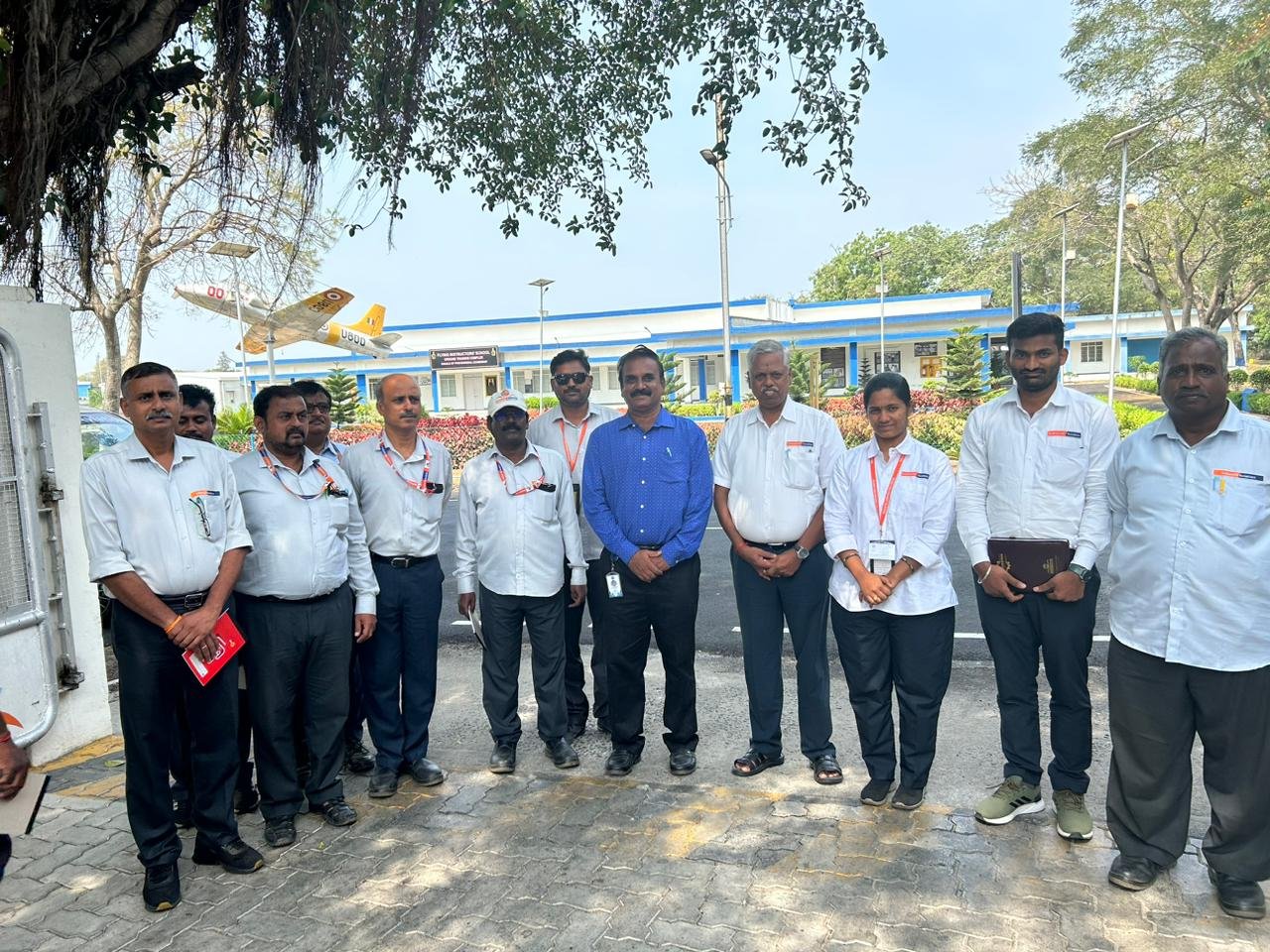
First Aid

First Aid Training – Air Force, India
First Aid Training – Ekkattuthangal, Chennai
First Aid Training – Hindustan Oil Ltd

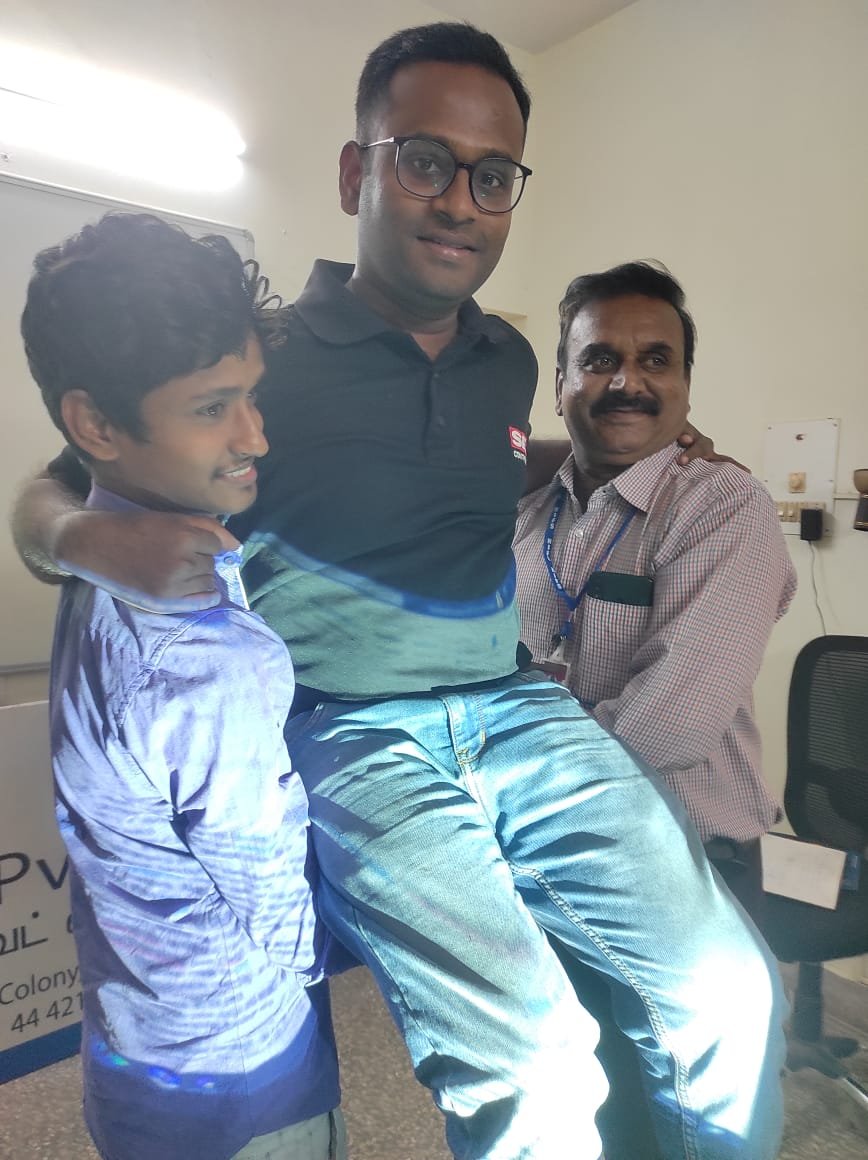
First aid is the immediate care given to a person who is injured or suddenly becomes ill before professional medical help arrives. Its purpose is to preserve life by addressing life-threatening conditions, prevent the condition from getting worse by protecting the person from further harm, and promote recovery by providing appropriate early treatment and reassurance.

Examples of First Aid

  • Stopping bleeding with direct pressure
  • Performing CPR if someone is not breathing and has no pulse
  • Cooling a burn with cool running water for at least 20 minutes
  • Immobilizing a suspected broken bone
  • Placing an unconscious but breathing person in the recovery position

Key Benefits of First Aid

  • Saves lives — immediate first aid can help keep a person alive during a life-threatening emergency
  • Prevents the condition from worsening — prompt treatment can reduce the severity of injuries or illness
  • Controls bleeding — proper application of pressure can help control serious bleeding
  • Reduces pain and discomfort — appropriate first aid can provide temporary relief until medical treatment is available
  • Prevents infection — proper cleaning and covering of wounds can reduce the risk of infection
  • Promotes faster recovery — early and appropriate care can support the healing process
  • Prevents further injury — first aid measures can protect the casualty from additional harm
  • Provides psychological support — staying calm, reassuring the casualty, and providing assistance can reduce fear and anxiety
  • Buys valuable time — first aid bridges the critical period between the incident and arrival of medical professionals
  • Improves emergency response — trained first-aiders can respond quickly and systematically during workplace emergencies

First Aid = Preserve Life + Prevent Worsening + Promote Recovery.